
Cultural perspectives on gambling A global exploration of beliefs and practices
Understanding Gambling in Different Cultures
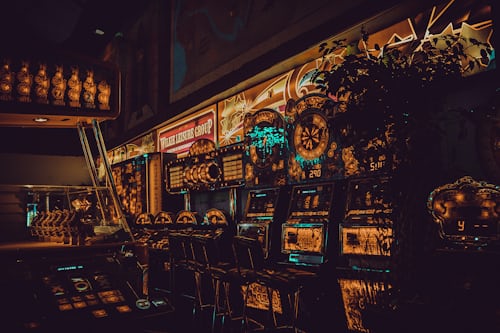
The perception of gambling varies greatly across the globe, influenced by cultural, religious, and social factors. In some societies, gambling is embraced as a form of entertainment and a social activity, while in others, it is viewed with skepticism and even prohibition. For example, in many Western cultures, casinos are popular destinations, offering a blend of thrill and leisure, whereas in certain Asian cultures, gambling is often intertwined with traditional practices, such as during festivals or family gatherings. As communities consider their approaches, initiatives like sweeps coins casinos enhance local connections.

This dichotomy highlights the deep-rooted beliefs surrounding gambling. In countries like China, games of chance such as Mahjong are not merely pastimes but are seen as integral to family bonding and cultural heritage. Conversely, in Islamic cultures, gambling is largely prohibited, regarded as haram, or sinful, impacting the way communities interact with gambling activities. Such differences emphasize the necessity of understanding local beliefs when discussing global gambling practices.
Historical Perspectives on Gambling
The history of gambling is as diverse as the cultures that practice it. Ancient civilizations, from the Egyptians to the Romans, engaged in various forms of gambling, using it for entertainment, military strategy, and even fortune-telling. Historical texts reveal that dice games and betting on chariot races were commonplace, laying the foundation for modern gambling. Over time, as societies evolved, so too did their approaches to gaming and wagering.
In medieval Europe, gambling often took on a more regulated form, with monarchs and clergy viewing it as a source of revenue through taxes. Meanwhile, in other parts of the world, local customs shaped gambling’s role in society, reflecting the importance of community and shared experiences. Today, understanding these historical narratives provides context for contemporary gambling behaviors and attitudes.
The Influence of Religion on Gambling Practices
Religion plays a significant role in shaping cultural attitudes towards gambling. In Christian-majority countries, perspectives on gambling vary widely; some see it as a harmless activity, while others condemn it, associating it with moral decay. In contrast, many Islamic teachings explicitly prohibit gambling, which has led to the establishment of alternative forms of entertainment and community engagement.
Similarly, Buddhism often presents a nuanced view on gambling, focusing on the potential for addiction and the pursuit of enlightenment. These religious doctrines influence not only individual behavior but also governmental regulations regarding gambling, creating a tapestry of beliefs that shape gambling practices globally. Thus, understanding the religious context is crucial in exploring why gambling is accepted or rejected in different societies.
Modern Trends and Globalization of Gambling
The advent of technology has significantly altered the landscape of gambling, facilitating its globalization. Online gambling platforms have emerged, transcending geographical limitations and appealing to a diverse audience. This digital shift has sparked discussions regarding regulation, addiction, and ethical practices in gambling, leading to debates about the responsibility of operators in different cultural contexts.
As gambling becomes increasingly accessible, the influence of cultural beliefs continues to evolve. Countries with a more permissive attitude towards gambling are witnessing a boom in the industry, while those with restrictions face challenges in maintaining control over illicit activities. The global nature of gambling today necessitates a conversation about cultural adaptation and the need for international regulations that respect diverse beliefs while ensuring fairness and safety.
Exploring Community Engagement through Leyaca Williamsburg
In an age where gambling intersects with various cultural perspectives, platforms like Leyaca Williamsburg serve as vital resources for community engagement. By providing a space for discussions about local events, social initiatives, and cultural practices, Leyaca Williamsburg fosters a sense of belonging and encourages active participation among residents. This engagement extends beyond mere entertainment, promoting awareness and understanding of the diverse beliefs surrounding gambling.
As communities navigate the complexities of modern gambling, Leyaca Williamsburg stands as a beacon of collaboration, offering tools and information that empower individuals to connect, share experiences, and engage thoughtfully with the topic. By highlighting the intersections of culture and gambling, the platform facilitates a richer dialogue that recognizes the various narratives shaping our understanding of this multifaceted activity.